Comprehensive Guide by a Pest Control Company: Identify and Stop Household Infestations Effectively

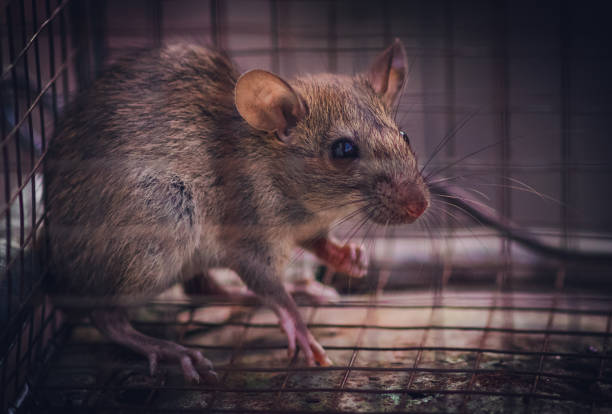
House rat trapped inside and cornered in a metal mesh mousetrap cage. concept of fear and pest control. House rat trapped inside and cornered in a metal mesh mousetrap cage. concept of fear and pest control. pest removal stock pictures, royalty-free photos & images

Pests in your home can lead to health risks, structural damage, and general discomfort. Knowing how to identify common household pests and addressing infestations quickly can save you time, money, and stress. Below is a detailed guide on how to manage pest problems efficiently and effectively.

Effective Solutions by Exterminators in Florida for Common Household Pests

Accurately identifying the type of pest in your home is the first step toward resolving an infestation.

  • Characteristics: Flat, oval-shaped bodies; reddish-brown or black coloration; long antennae.
  • Signs of Infestation: Droppings resembling ground coffee or black pepper, unpleasant musty odors, shed skins.
  • Habitat: Kitchens, bathrooms, basements – anywhere with food residue or moisture.
  • Characteristics: Small body segments with defined waists; black, brown, or red coloring.
  • Signs of Infestation: Trails of ants near food sources or garbage bins; small piles of dirt near entry points into walls or floors.
  • Habitat: Cracks in walls or foundations, kitchens, pantries.
  • Characteristics: Mice are smaller (3–4 inches) compared to rats (7–9 inches), both have long tails and sharp teeth for gnawing.
  • Signs of Infestation: Droppings resembling rice grains (mice) or larger pellets (rats); gnaw marks on food packaging or baseboards; scratching noises in walls or ceilings at night.
  • Habitat: Hidden spaces like attics, basements, garages.
  • Characteristics: Small insects with straight antennae; pale white to light brown coloring; soft bodies.
  • Signs of Infestation: Hollow-sounding wood; mud tubes along walls or foundations; discarded wings near windowsills.
  • Habitat: Wooden structures like furniture beams or decks.

Effective Pest Removal Services in Florida to Stop an Infestation

  1. Seal all cracks around doors and windows using caulk.
  2. Ensure that all food items are stored in sealed containers.
  3. Empty trash bins regularly and clean up spills immediately.
  4. Use Targeted Solutions: Employ treatments that are specific to the pest you’re dealing with:
  5. For cockroaches – Use bait stations combined with insect growth regulators.
  6. For ants – Place ant baits along trails they use frequently.
  7. For rodents – Set up traps strategically along runways where droppings were spotted.
  8. For termites – Apply liquid termiticide around your home’s foundation if professionally recommended.
  9. Eliminate Conducive Conditions: Minimize factors that attract pests by taking these precautions:
  10. Repair leaky pipes as excess moisture attracts roaches and termites.
  11. Keep shrubs trimmed away from exterior walls.
  12. Store firewood off the ground at least 20 feet from your house.

Prevention Tips for Long-Term Effectiveness with Florida Pest Control Service

To ensure infestations don’t return after treatment: – Perform Regular Inspections: Check for signs of pests monthly in vulnerable areas like basements or attics.Maintain Cleanliness: | Room | Maintenance Tips | |————-|—————————————-| | Kitchen | Wash dishes daily; wipe countertops | | Bathroom | Remove standing water after use | | Basement | Declutter storage spaces | – Secure Entry Points: Inspect window screens for tears and replace damaged weather stripping on doors.

Addressing pest issues quickly when they arise prevents them from escalating into a larger problem while maintaining peace of mind within your home setting.

Effective Florida Pest Control: Spotting and Eliminating Common Household Pests

A pest infestation can disrupt your home and compromise health and hygiene. Identifying pests early is crucial for effective management. Below, we discuss how to identify common household pests, the threats they pose, and effective methods to eliminate them.

Effective Pest Removal Tips for Common Household Pests

  1. Identification:Light brown or dark bodies, long antennae, quick movements.
  2. Signs of Infestation:Droppings resembling coffee grounds or black pepper, musty odor, shed skins.
  3. Health Risks:Spread of bacteria (Salmonella, E. coli), asthma triggers from droppings.
  4. Identification:Small mammals with fur-covered bodies and long tails; mice are smaller than rats.
  5. Signs of Infestation:Gnaw marks on furniture or wires, droppings resembling rice grains (mice) or larger pellets (rats), scratching noises in walls or ceilings.
  6. Health Risks:Hantavirus, salmonellosis, contamination of food supplies.
  7. Identification:Small insects often forming trails; different species vary in size and color (black, red).
  8. Signs of Infestation:Lines of ants near food sources or entry points such as windowsills; ant nests outside the home often marked by dirt mounds.
  9. Health Risks:Contamination of food through exposure to bacteria.
  10. Identification:Small reddish-brown insects about the size of an apple seed; flat bodies that swell after feeding on blood.
  11. Signs of Infestation:Red bite marks on skin arranged in clusters or lines, blood stains on sheets or mattresses, tiny eggshells near mattress seams.
  12. Health Risks:Itchy welts that may become infected due to excessive scratching.
  13. Identification:Pale-colored insects with straight antennae; often mistaken for ants but have different body shapes.
  14. Structural Risk:Damage to wooden structures leading to weakened foundations.

Methods for Elimination

Pest Type Basic Elimination Methods Professional Services Needed?
Cockroaches Use gel baits/traps; maintain clean surfaces Yes – for persistent infestations
Rodents Set traps (snap traps/glue traps); seal holes Yes – for large populations
Ants Apply bait stations; remove food access Yes – if colonies persist
Bed Bugs Steam cleaning; wash linens at high heat Yes – for complete eradication
Termites Install baiting systems/insecticides Absolutely essential

Preventive Measures

  • Maintain cleanliness: Vacuum regularly and keep countertops free from crumbs or spills.
  • Seal entry points: Use caulk to close cracks around windows and doors.
  • Manage waste: Dispose garbage promptly in sealed bins.
  • Store food properly: Use airtight containers for pantry items.
  • Inspect regularly: Check furniture and storage areas periodically for signs of pests.

By identifying pests early and using targeted solutions combined with preventive practices, you can safeguard your home effectively against infestations while minimizing risks associated with these unwanted invaders.

Spotting Common Household Pests and How to Eliminate Them

Household pests can disrupt your daily life, damage property, and pose health risks to your family. Identifying these pests early is crucial to minimize their impact and prevent infestations from spreading. This guide provides insights on spotting common household pests and practical methods to eliminate them.

Understanding the types of pests you may encounter is the first step toward effective pest control.

  • Appearance: Brown or reddish-brown, oval-shaped body with long antennae.
  • Signs: Droppings resembling black pepper, egg casings in hidden areas, a musty odor.
  • Appearance: Small insects varying in color from black to brown or red depending on species.
  • Signs: Trails leading to food sources, small dirt mounds around entry points.
  • Appearance: Mice are small with long tails; rats are larger with a blunt nose.
  • Signs: Gnaw marks, droppings (rice-sized for mice; larger for rats), scratching sounds in walls.
  • Appearance: White or cream-colored insects similar in size to ants but softer-bodied.
  • Signs: Mud tubes on walls or beams, hollow-sounding wood, discarded wings near windows.
  • Appearance: Small, flat oval bodies; reddish-brown after feeding.
  • Signs: Bites on skin appearing as red welts, bloodstains on bedding, dark spots on mattresses.
  1. Sanitation: Keep your home clean to eliminate food and water sources that attract pests.
  2. Store food in sealed containers.
  3. Clean crumbs and spills immediately.
  4. Dispose of garbage regularly using sealed trash bins.
  5. Exclusion: Prevent pests from entering your home by sealing entry points.
  6. Use caulk to seal gaps around windows and doors.
  7. Install door sweeps and window screens.
  8. Inspect pipes and vents for cracks or openings.
  9. Targeted Treatment Methods: Depending on the pest type:
  10. Use bait stations for ants and cockroaches.
  11. Deploy traps for rodents near suspected activity areas.
  12. Apply diatomaceous earth or natural sprays for bed bugs (consult a professional if infestation persists).
  13. Monitoring: Continue monitoring treated areas to ensure re-infestation does not occur: – Use sticky traps near problem zones. – Check high-risk locations like basements or attics weekly.

Comparison Table of DIY vs Professional Pest Control

Criteria DIY Pest Control Professional Pest Control
Cost Generally lower upfront cost Higher initial cost but longer-term savings
Expertise Requires research Access to trained technicians
Effectiveness Works best for minor issues Effective for severe infestations
Safety Potential misuse of chemicals Safe application methods

When To Call For Professional Help

  • Infestations that persist despite repeated personal efforts.
  • Structural damage caused by termites or rodents.
  • Health concerns due to severe allergic reactions from pests like bed bugs or cockroaches.

Professionals use specialized tools and techniques unavailable over-the-counter while adhering strictly to safety standards. Engaging experts ensures thorough treatment while reducing long-term risks associated with recurring infestations.

By staying vigilant about identifying signs early and employing proven elimination strategies tailored by pest type severity-level appropriate

Effective Strategies for Preventing Pest Infestations in Your Home

Pest infestations can be costly, frustrating, and potentially harmful to your health and property. Implementing proactive measures is key to preventing pests from invading your home. Below are effective strategies you can use to maintain a pest-free environment.

Woman's Hand holding cockroach on coffee machine fresh background, eliminate cockroach in coffee shop Woman's Hand holding cockroach on coffee machine fresh background, eliminate cockroach in coffee shop and kitchen pest removal stock pictures, royalty-free photos & images

Maintain a Clean Living Environment

Keeping your home clean is one of the most critical steps in deterring pests. Many pests, such as ants, cockroaches, and rodents, are attracted to food debris and clutter.

  • Sweep and vacuum floors regularly.
  • Wipe down countertops after food preparation.
  • Wash dishes immediately after meals instead of leaving them in the sink.
  • Store food in airtight containers to prevent access for pests like pantry moths or ants.
  • Keep pet food sealed when not in use.

Seal Entry Points

Pests often enter homes through tiny cracks, gaps, or holes around windows, doors, pipes, and foundations. Sealing these areas is essential for keeping unwanted critters out.

  • Check for gaps around windows and doors; install weather stripping where necessary.
  • Inspect screen doors and repair any tears or holes.
  • Seal Openings:
    | Common Areas | Recommended Solutions | |————–|————————| | Cracks in walls or foundation | Use caulk or cement filler | | Gaps around pipes or vents | Apply steel wool or foam insulation | | Spaces under doors | Install door sweeps |

Proper Waste Management

Poor waste management can attract pests such as flies, rodents, and raccoons. Ensuring proper disposal of garbage will reduce the likelihood of infestations.

  • Use trash cans with tight-fitting lids both indoors and outdoors.
  • Take out the garbage regularly to avoid odors that attract pests.
  • Compost responsibly by keeping bins far from your home’s perimeter.

Manage Moisture Levels

Moisture-rich environments are a magnet for many pests like termites, silverfish, and mosquitoes. Addressing areas with excessive humidity can drastically reduce pest activity.

  • Repair leaky faucets or pipes promptly.
  • Ensure gutters are cleared frequently to prevent standing water near your home’s foundation.
  • Use dehumidifiers in damp spaces like basements or laundry rooms.

Landscaping Practices That Deter Pests

Outdoor areas serve as breeding grounds for many pests before they make their way into your home. Adopting pest-conscious landscaping practices can help keep them at bay.

  • Trim Vegetation: Keep bushes, trees, and shrubs trimmed so they do not touch the sides of your house; this prevents easy access for crawling insects like ants.
  • Remove Debris: Rake leaves regularly and dispose of woodpiles far away from the house since these materials harbor insects like termites and rodents.

Monitor Your Home Regularly

Conducting regular inspections allows you to identify potential infestations early on before they escalate into larger problems. Look out for signs such as droppings (indicative of rodents), chew marks on wiring (a common sign of rats), or wings shed by termites near windowsills.

By staying vigilant about cleanliness, sealing entry points effectively, managing waste properly, addressing moisture issues promptly, practicing thoughtful landscaping techniques, and conducting routine inspections—residents can significantly reduce their risk of experiencing a pest infestation at home.

Why You Should Never Tackle Pest Problems Alone: The Importance of Professional Help

Dealing with pests in your home can be a frustrating and overwhelming experience. While it might be tempting to address the issue yourself with over-the-counter solutions or DIY methods, there are significant risks associated with handling pest control without professional assistance. Understanding why professional help is essential can save you time, money, and the potential spread of infestations.

The Risks of DIY Pest Control

Attempting to resolve pest problems on your own often leads to incomplete results or unintended consequences.

  • Health Hazards: Many pests, such as rodents and cockroaches, carry harmful bacteria and diseases. Without proper handling, you risk exposure to pathogens.
  • Improper Use of Chemicals: Overusing or misapplying pesticides can lead to dangerous chemical exposure for you, your family, and pets.
  • Ineffectiveness: Store-bought solutions often treat symptoms rather than addressing the root cause of an infestation.
  • Making the Problem Worse: In some cases, improper treatment methods can cause pests to spread to other areas of your home.

Advantages of Hiring Professionals

Professional pest control services are equipped with the knowledge, experience, and tools needed to effectively eliminate infestations while preventing future occurrences.

  1. Thorough Inspection
    Trained technicians can identify the type of pest and locate their nesting sites or entry points. This ensures that treatment is targeted rather than generic.
  2. Customized Treatments
    Professionals use tailored strategies based on the specific type of pest and severity of infestation while taking into account safety for humans and pets.
  3. Long-Term Solutions
    Experts not only remove pests but also provide recommendations on preventative measures such as sealing cracks or removing food sources that could attract future intruders.
  4. Time Efficiency
    With their expertise and specialized equipment, professionals can resolve pest issues more quickly than most DIY solutions.
  5. Safety Assurance
    Licensed exterminators know how to handle potentially hazardous chemicals safely while minimizing risks for occupants.

Comparison Table: Professional vs DIY Pest Control

Aspect DIY Pest Control Professional Pest Control
Expertise Limited; relies on online research High; certified training
Likelihood of Success Often incomplete or temporary Long-lasting results
Safety Potential health risks Controlled application
Cost Initially lower Higher upfront but cost-effective in long term
Time Commitment Time-intensive Efficient

When Should You Call a Professional?

  • Large infestations where pests are visibly widespread.
  • Recurrent problems that persist despite attempts at treatment.
  • Dangerous pests like termites or bedbugs that require specialized techniques.
  • Situations involving structural damage caused by wood-boring insects.

Attempting to handle these scenarios alone may lead to further complications—both financially and structurally—underscoring the importance of involving experts early in the process.

By turning to professional services for pest control needs, homeowners can ensure their property is protected efficiently while minimizing risks associated with improper handling methods.


Effective Tips from a Pest Control Company to Prevent Infestations in Your Garden and Outdoor Spaces

Pest control worker spraying pesticide on rack indoors Pest control worker spraying pesticide on rack indoors pest removal stock pictures, royalty-free photos & images

Maintaining a pest-free garden and outdoor space requires a proactive approach. By implementing preventative measures, you can create an environment that discourages pests while promoting the health of your plants. Below are some effective strategies to help you safeguard your garden.

1. Maintain Cleanliness

Keeping your garden tidy is one of the best ways to prevent pest infestations. A clean environment reduces hiding spots and breeding grounds for pests.

  • Remove debris: Eliminate fallen leaves, dead plants, or rotting vegetation.
  • Regularly prune plants: Trim overgrown branches and weeds to improve airflow and light penetration.
  • Clean tools: Sanitize gardening tools after each use to prevent the transfer of pests or diseases.

2. Choose Pest-Resistant Plants

Certain plants are naturally resistant to common pests. Incorporating these into your garden can reduce the risk of infestations.

Examples of pest-resistant plants: | Plant Name | Resists |
|——————–|————————-|
| Marigolds | Aphids, nematodes |
| Lavender | Moths, mosquitoes |
| Basil | Flies, beetles |

3. Practice Proper Watering Techniques

Overwatering or uneven watering can create conditions favorable for pests such as fungus gnats and root-feeding insects. Follow these techniques:
– Water early in the morning to allow excess moisture to evaporate during the day. – Avoid water pooling by ensuring proper drainage in your soil. – Use drip irrigation systems for consistent hydration without overwatering.

4. Rotate Crops and Diversify Plantings

Rotating crops helps disrupt pest lifecycles that could otherwise persist from season to season. Additionally, diversifying plant species in your garden makes it harder for pests that prefer specific crops to thrive.

Benefits of crop rotation: – Reduces soil-borne pests – Minimizes nutrient depletion in soil – Decreases reliance on chemical treatments

Example Crop Rotation Plan: | Year | Crop Type Planted | |———|————————-| | Year 1 | Leafy greens (e.g., lettuce) | | Year 2 | Root vegetables (e.g., carrots) | | Year 3 | Legumes (e.g., peas) |

5. Create Physical Barriers

Physical barriers can deter pests from accessing plants without disrupting the ecosystem balance.

Types of barriers: – Row covers: Protect seedlings without limiting sunlight or air circulation. – Mulch layers: Help suppress weeds and reduce ground-dwelling insect movement. – Netting/fencing: Keep larger pests like rabbits or birds out of your garden area.

6. Monitor Your Garden Regularly

Inspecting your garden regularly helps detect potential issues early so that they don’t escalate into major infestations.

What to look for: – Chewed leaves or stems – Discoloration or spots on foliage – Presence of eggs under leaves or clusters of insects

Consider keeping a gardening journal where you record observations about plant health and pest activity throughout the growing season.

By adopting these preventative measures, you can ensure a thriving outdoor space while minimizing pesticide use and reducing reliance on reactive pest control methods. Each action contributes not only to protecting individual plants but also fostering an ecosystem where beneficial organisms outcompete harmful ones effectively.

How Florida Pest Control Can Benefit from Attracting Natural Predators to Manage Pests Naturally

Creating a balanced ecosystem in your garden is one of the most effective ways to manage pests without relying on synthetic chemicals. By attracting natural predators, you can control pest populations organically, reducing damage to plants while supporting biodiversity.

Benefits of Attracting Natural Predators

  • Eco-Friendly Pest Control: Reduces the need for chemical pesticides that can harm beneficial organisms, pollinators, and soil.
  • Cost Efficiency: Once established, predator populations help control pests over time with minimal effort.
  • Biodiversity Enhancement: Encourages a variety of species to thrive in balance within your garden ecosystem.
  • Healthier Plants: Minor pest pressures allow plants to grow more vigorously and better withstand environmental stress.

Common Natural Predators and Their Prey

Natural Predator Target Pests
Ladybugs Aphids, whiteflies, mites
Lacewings Aphids, thrips, mealybugs
Praying Mantises Caterpillars, beetles
Parasitic Wasps Caterpillars, whiteflies
Ground Beetles Slugs, snails
Birds (e.g., wrens) Grasshoppers, caterpillars

Each predator has a specific role and is particularly effective against common garden pests.

Observing Predator Activity

  • Inspect leaves regularly for signs of predation (e.g., fewer aphids).
  • Watch for increased populations of ladybugs or lacewing larvae during peak pest seasons.
  • Note any changes in pest levels over time; this indicates whether predator strategies are working effectively.

Fostering a habitat where natural predators can flourish ensures long-term garden health. It also reduces dependence on external interventions while promoting sustainable gardening practices. A proactive approach combining habitat creation, companion planting, and ongoing monitoring will yield optimal results over time.

Effective Tips from Exterminators in Florida for Managing Pests Naturally

Managing pests in your garden can be challenging, but leveraging the power of natural predators is a sustainable and effective approach. Attracting beneficial organisms not only reduces the need for chemical pesticides but also helps maintain a balanced ecosystem. Below, we’ll explore why natural predators are important and how you can encourage them to thrive in your outdoor spaces.

Why Natural Predators Matter

  • Reduced Need for Chemicals: By encouraging predator activity, you can minimize or eliminate the use of synthetic pesticides.
  • Healthier Plants: Fewer pests mean less damage to leaves, stems, and roots, leading to more robust plant growth.
  • Environmental Balance: A thriving ecosystem ensures that no single species dominates, preserving biodiversity.

Common Natural Predators and Their Prey

Predator Prey How They Help
Ladybugs Aphids, whiteflies Consume large numbers of soft-bodied insects.
Lacewings Mites, thrips Feed on eggs and larvae of many pest species.
Praying Mantises Beetles, caterpillars Generalist predators that eat larger insects.
Parasitic Wasps Caterpillars, aphids Lay eggs in pest hosts, killing them from within.
Ground Beetles Slugs, cutworms Active at night to reduce soil-dwelling pests.

Strategies to Attract Natural Predators

  1. Grow flowering plants such as daisies, marigolds, and lavender to provide nectar and pollen for predatory insects like ladybugs and lacewings.
  2. Incorporate native plants that naturally attract local predator species.
  3. Add shrubs or ground cover where predators like spiders or ground beetles can hide.
  4. Use logs or small rock piles as habitats for predatory beetles.
  5. These chemicals may harm both pests and beneficial organisms indiscriminately.
  6. Opt for targeted methods when absolutely necessary.
  7. A small pond or water feature can attract frogs and birds—both excellent pest controllers.
  8. Keep water clean to prevent attracting unwanted pests like mosquitoes.
  9. Crop rotation decreases pest buildup while maintaining healthy soil conditions.
  10. It disrupts the lifecycle of certain pests while promoting predator-friendly environments.

Encouraging Birds as Pest Controllers

  • Install bird feeders with seeds specific to local species’ preferences.
  • Provide fresh water through birdbaths.
  • Plant berry-producing shrubs such as holly or elderberry for food sources during colder months.

By focusing on attracting natural predators rather than relying heavily on chemical interventions, you’re fostering an environment where plants thrive while reducing long-term pest problems naturally—a win-win scenario for gardeners and ecosystems alike.

Professional exterminator in work wear spraying pesticide or insecticide with sprayer tank. Professional exterminator in work wear spraying pesticide or insecticide with sprayer tank. pest control stock pictures, royalty-free photos & images

Effective Pest Removal Services in Florida to Safeguard Your Outdoor Spaces

Natural pesticides can play a vital role in maintaining a healthy, pest-free garden while minimizing harm to the environment. However, using these products effectively and safely requires proper understanding and application. Below is a guide to ensure you protect your outdoor spaces without compromising plant health or endangering beneficial organisms.

Benefits of Natural Pesticides

Natural pesticides offer several advantages over synthetic chemicals:
Environmentally Friendly: They break down quickly in the environment, reducing long-term ecological impact.
Non-Toxic to Humans and Pets: When used appropriately, they are generally safer for people, pets, and wildlife.
Selective Targeting: Many natural pesticides target specific pests without harming beneficial insects or native plants.

Types of Natural Pesticides

Type of Natural Pesticide Source Effective Against
Neem Oil Extracted from neem trees Aphids, whiteflies, scale insects
Diatomaceous Earth Ground fossilized algae Slugs, ants, beetles
Garlic Spray Crushed garlic cloves Mosquitoes, caterpillars
Insecticidal Soap Potassium salts of fatty acids Soft-bodied insects (e.g., mites)

Each pesticide has a specific mode of action that targets pests while leaving plant health intact when applied correctly.

Tips for Safe Application of Natural Pesticides

  1. Identify the Pest First: Proper identification ensures you’re using the right product for the specific problem. Applying an incorrect pesticide can harm beneficial organisms unnecessarily.
  2. Follow Label Instructions: Even natural pesticides can be harmful if over-applied or misused. Always adhere to dosage recommendations provided by manufacturers.
  3. Target Application Areas: Avoid blanket spraying; instead focus on areas where pest activity is concentrated (e.g., leaf undersides). This minimizes exposure to non-target species like pollinators.
  4. Apply During Appropriate Times: Use pesticides early in the morning or late in the evening when bees and other pollinators are less active.
  5. Wear Protective Gear: Gloves and masks can help prevent skin irritation or inhalation while handling any pesticide product.

Enhancing Effectiveness with Integrated Pest Management (IPM)

  • Introduce beneficial insects like ladybugs to naturally suppress harmful pests before resorting to sprays.
  • Rotate crops annually to disrupt pest life cycles.
  • Use companion planting methods (e.g., marigolds with tomatoes) as certain plants repel specific pests naturally.

Potential Risks and How To Mitigate Them

  1. Overuse can lead to accumulation of residues harmful to soil organisms.
  2. Some products like diatomaceous earth may irritate skin or lungs if handled improperly.
  3. Non-selective agents such as sprays made from strong oils might harm delicate plant tissues when applied during hot weather.

By being cautious during application and following safety measures diligently, gardeners can foster thriving outdoor spaces protected sustainably through responsible use of natural pest control solutions.

Effective Florida Pest Control Service Tips to Keep Pests Out of Your Garden and Protect the Ecosystem

Maintaining a pest-free garden while fostering a healthy ecosystem requires a strategic, balanced approach. By focusing on preventive measures and sustainable practices, you can protect your plants without disrupting the natural harmony of your outdoor space. Below are some effective strategies to help you achieve this goal.

Promote Soil Health

Healthy soil is the foundation of a thriving garden. Pests are less likely to thrive in well-balanced environments with strong plants.

  • Test Your Soil: Conduct soil tests regularly to monitor pH levels and nutrient content.
  • Add Organic Matter: Use compost or well-rotted manure to enrich the soil and promote microbial activity.
  • Rotate Crops: Practice crop rotation annually to reduce pest populations that target specific plant families.

Choose Pest-Resistant Plants

Selecting plants that naturally deter pests can save time and effort in maintaining your garden.

  • Research varieties known for their pest resistance.
  • Incorporate native plants, as they are often more resilient against local pests.
  • Grow companion plants such as marigolds, which repel nematodes and aphids.

Maintain Proper Garden Hygiene

Keeping your garden tidy is essential for reducing pest habitats and breeding grounds.

  • Remove plant debris, weeds, and rotting fruit promptly.
  • Prune damaged or diseased leaves to prevent fungal growth or pest infestation.
  • Store tools, equipment, and leftover seeds in clean, dry areas.

Use Physical Barriers

Physical barriers provide a non-toxic way to keep pests away from your plants while encouraging ecological balance.

Barrier Type Purpose Examples
Floating Row Covers Prevent flying insects from reaching crops Lightweight fabric covers
Mulch Deter soil-dwelling pests like slugs Straw, wood chips, or bark mulch
Netting Protect fruits from birds or larger pests Fine-mesh netting

Attract Beneficial Insects

Encouraging predators like ladybugs and lacewings into your garden can naturally control harmful pests.

  • Plant nectar-rich flowers such as daisies or yarrow.
  • Provide shelter with bug hotels or log piles.
  • Avoid broad-spectrum pesticides that could harm beneficial insects.

Monitor Regularly

Regular inspections allow you to identify potential problems early before they become severe infestations.

  • Check foliage undersides for eggs or larvae.
  • Look for signs of chewing damage or discoloration.
  • Use sticky traps to monitor insect activity levels.

By implementing these strategies consistently, you can enjoy a thriving garden free from destructive pests while preserving its ecological balance.

Effective Pest Removal: Innovative Ways to Use Traps and Barriers

When it comes to managing pests in your garden or outdoor spaces, traps and barriers are practical, non-toxic, and environmentally friendly solutions. These methods can work in tandem with other pest control strategies to protect your plants while reducing chemical pesticide use. Below are innovative ways you can effectively use traps and barriers for pest control.

Types of Traps for Different Pests

  1. Common Targets: Aphids, whiteflies, thrips, and leafhoppers
  2. How They Work: These traps are coated with a sticky adhesive that captures flying insects. Bright colors like yellow or blue attract pests naturally, making them effective for monitoring population levels.
  3. Common Targets: Moths, beetles, and certain weevils
  4. How They Work: Pheromone traps release synthetic insect hormones that attract specific pests during their mating season, interrupting breeding cycles.
  5. Common Targets: Slugs, snails, and crawling insects like ants
  6. How They Work: These are containers filled partially with bait (e.g., beer for slugs) placed at soil level to trap pests that crawl into them but cannot escape.
  7. Common Targets: Nocturnal flying insects like mosquitoes and moths
  8. How They Work: These devices use UV light to lure insects toward an electrified grid or sticky adhesive surface.

Effective Barriers for Pest Exclusion

Barriers form a protective line of defense around plants or your outdoor area to keep pests at bay without harming beneficial organisms in the ecosystem.

  • Row Covers & Netting: Lightweight fabric covers can protect crops from flying pests such as cabbage moths while allowing sunlight and water penetration.
  • Mulches: Organic mulch like straw can deter ground-dwelling insects such as weevils while improving soil health.
  • Copper Tape & Rings: Ideal for repelling slugs and snails due to the slight electric charge they experience when in contact with copper.
  • Physical Fencing: Small mesh fences can block larger pests like rabbits or deer while maintaining airflow around plants.
Barrier Type Best For Targeting Additional Benefits
Row Covers Flying Insects Allows light/water; reusable if maintained properly
Copper Tape/Rings Slugs/Snails Non-toxic; easy to install
Fencing Rabbits/Deer Durable option; protects larger areas

Combining Traps & Barriers for Maximum Effectiveness

For optimal results, use both traps and barriers together within an integrated pest management strategy (IPM). For example: – Set up sticky traps inside row covers to monitor any potential breaches by flying insects. – Combine copper tape around raised beds with pitfall traps nearby for slug prevention.

Proper placement is also crucial—traps should be positioned near infestation hotspots but not too close to beneficial insect habitats.

By adopting these innovations strategically, you can create a sustainable approach to managing garden pests effectively without compromising environmental health or plant vitality.